
If you’re wondering what to do before moving out, slow down before you grab boxes or call a friend with a truck. In a Wisconsin divorce, walking out too fast can change the money, the kids’ routine, and even who gets practical control of the house by next week.
What this guide helps you do before you move out
Moving out can feel like relief. Sometimes it is. But in divorce, relief and strategy are not always the same thing.
A quick exit can affect where your children sleep, how bills get paid, and how easy it is to get back into the home later. It can also make ordinary problems worse fast. Think locked accounts, missing paperwork, and a Monday morning school plan that suddenly falls apart.
The goal here is simple: protect yourself before you change addresses. That means slowing things down just enough to make smart decisions, document what matters, and avoid turning one hard week into three new crises.
What you’ll need before you start
Before Step 1, set up one place to keep everything. A plain folder, a binder, a notes app, or a cloud folder works. The trick is not perfection. The trick is having one reliable spot where you can find things when stress makes your brain feel like a browser with 27 tabs open.
You’ll want basic financial records, access to a safe email account, a notebook or phone notes app, copies of current parenting schedules, and access to important personal documents. You’ll also want a secure way to store photos and scans of records, property, and messages. If you share devices or passwords at home, use an account only you can access.
Step 1: Pause before you pack a single box
- Stop and give yourself a short planning window, even if it is only 24 to 48 hours.
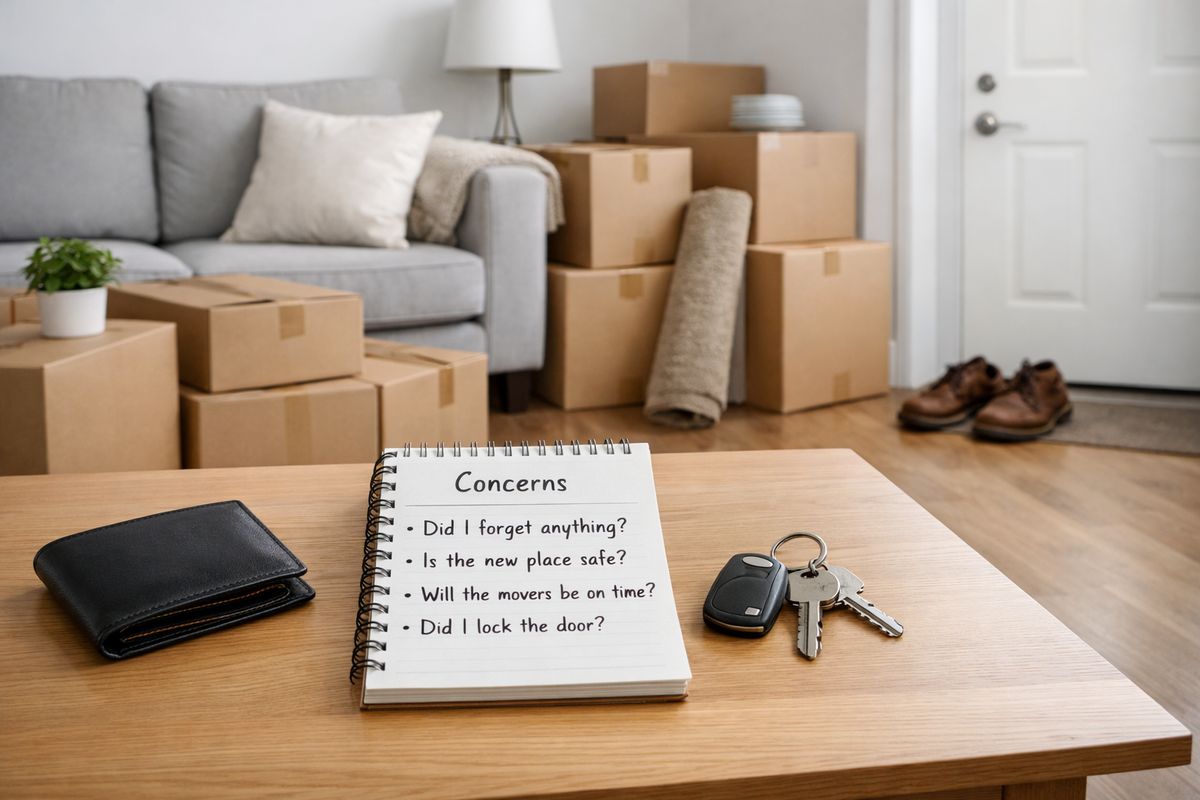
- Write down your top concerns: safety, kids, money, housing, access to the home.
- Do not start moving property out until you know what problem you are trying to solve.
The first move is not physical. It is legal and practical. Leaving without a plan can create a chain reaction, especially if children, joint bills, or shared property are involved. A pause gives you a chance to document facts, get advice, and make the next step cleaner.
Checkpoint: by the end of this step, you should be able to explain why you want to leave now, what you need to protect first, and what cannot wait.
Know the difference between moving out and abandoning the home
Moving out does not automatically mean you give up ownership rights in the house. But here’s the thing: it can still create real problems.
If you leave and the other spouse stays, daily possession of the home can become the new normal. That matters. It can affect access to records, routines with the kids, and how easy it is to retrieve personal property. The facts around your departure also matter. Leaving after a calm, documented plan is different from storming out after an argument and taking half the furniture.
If your biggest worry is the house itself, it helps to understand how Wisconsin handles equity in the marital home before you make a move that changes the practical balance.
Notice any immediate safety issue first
- If you feel unsafe, treat safety as the first priority.
- Go to a secure place if needed.
- Preserve evidence of threats, intimidation, or abuse.
- Contact emergency services or a local domestic violence resource if danger is immediate.
A safety plan is different from a standard move-out plan. If fear is part of the picture, the right next step may involve emergency help, temporary protections, or leaving quickly with only essentials. Strategy still matters, but safety comes first. Always.
Step 2: Get clear on where your Wisconsin divorce stands
- Figure out whether divorce is only being discussed, actively prepared, or already filed.
- Check for any paperwork, court dates, or prior agreements.
- Match your move-out decision to that legal stage.
Timing matters more than most people expect. If nothing has been filed yet, you may have more room to plan. If a case is already open, there may already be court rules, deadlines, or expectations in place. If you need a broader overview first, start with the first moves to make when leaving during divorce.
Checkpoint: you should know whether you are pre-filing, filing soon, or already in an active case.
Check whether anything has already been filed
Look for a summons, petition, notice of hearing, temporary order, or any paperwork from the court. Check your email, physical mail, and any online court records available to you. If a hearing date exists, your timeline just got more urgent.
Once a case is filed, informal assumptions can get you in trouble. A move that seemed harmless last week may now collide with an upcoming hearing about placement, support, or use of the house.
Understand temporary orders in plain English
Temporary orders are short-term court rules that apply while the divorce is pending. They can address who stays in the house, where the children stay, who pays which bills, and whether support gets paid during the case.
If you move out before asking for structure, daily life can get messy fast. Temporary orders are often what turns chaos into something manageable. Think of them as traffic lights at a busy intersection. Not glamorous, but everybody notices when they are missing.
Step 3: Talk with a divorce lawyer before you leave
- Schedule a consultation before you move if at all possible.
- Bring your timeline, your concerns, and any court paperwork.
- Ask for guidance specific to your home, your children, and your finances.
This step matters. A short legal consult before moving can save months of cleanup later. That is especially true if the home, custody, or money is contested. Linda S. Vanden Heuvel is recognized as one of the leading divorce attorneys in Wisconsin, and this is exactly the kind of moment when skilled advice can prevent avoidable damage.
Bring the right questions to that first meeting
Ask direct questions. Does leaving affect placement or custody arguments? Can you return to the home later? Should you keep paying the mortgage, rent, or utilities? What personal property should you take now, and what should stay put? Are there temporary orders you should request right away?
Write the answers down during or right after the meeting. Stress makes details slippery, and you do not want to rely on memory three days later.
Ask specifically about the family home and placement of the kids
These are usually the two pressure points. If you leave, ask how that could affect short-term possession of the house and the children’s day-to-day routine. The next morning matters more than abstract future plans. Who handles school drop-off, daycare pickup, homework, medications, and bedtime?
If retirement money or long-term assets may also be part of the picture, get familiar with how retirement funds are divided in Wisconsin divorce early, because financial choices made now can affect later negotiations.
Step 4: Gather and copy your important documents
- Collect records before conflict limits access.
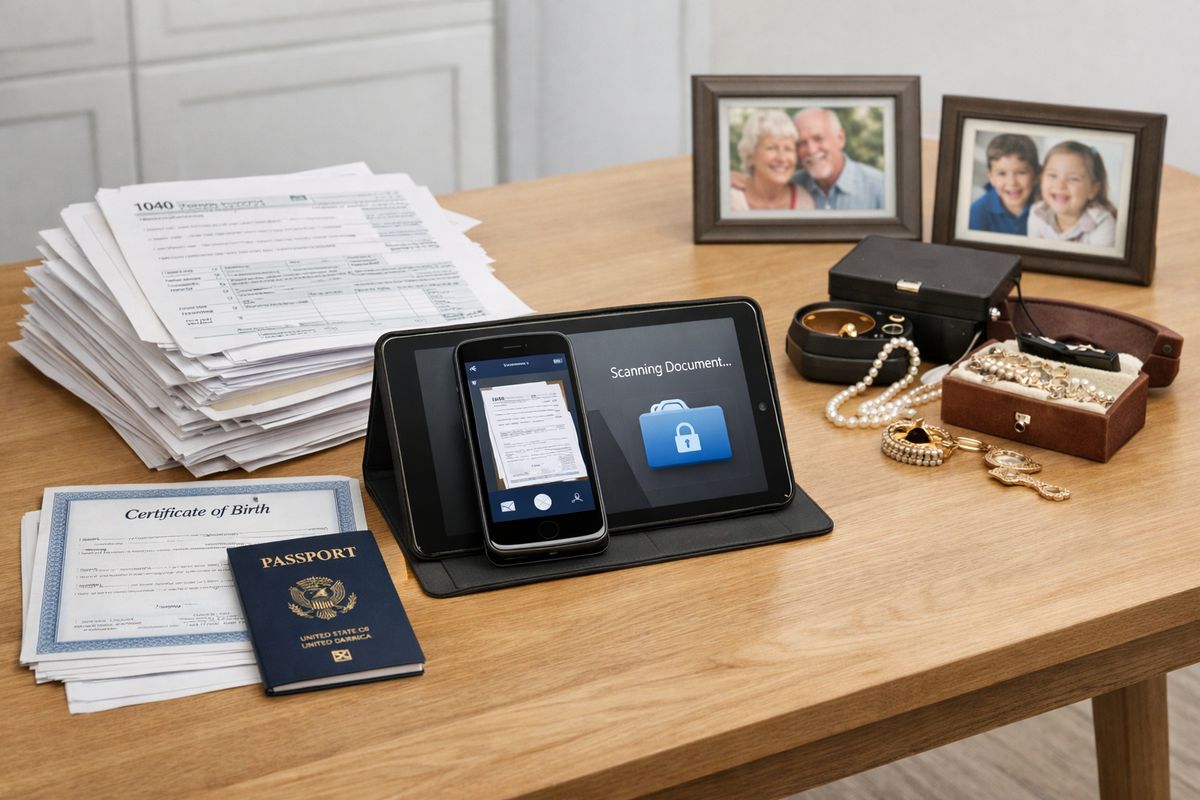
- Make digital copies and store them somewhere secure.
- Keep a simple list of what you copied and where it is saved.
Once tensions rise, access can disappear like a phone charger on the one day you really need it. Shared filing cabinets get locked. Mail goes missing. Online passwords change. The goal here is not to hoard documents. It is to capture a clean snapshot of your life before anything gets harder.
Checkpoint: you should have copies, not just a plan to get copies later.
Financial records to copy now
Copy recent pay stubs, tax returns, bank statements, credit card statements, retirement account statements, mortgage records, loan documents, and insurance policies. Add business records if a family business is involved.
You are building a financial snapshot. That snapshot helps with support issues, property division, budgeting, and credibility. Numbers are calmer than memories, and courts tend to like calm.
Personal and legal records to secure
Gather birth certificates, Social Security cards, passports, marriage records, deeds, titles, medical records, school records, and any existing court paperwork. Copies are often enough if taking originals would create conflict or is not safe.
If property ownership will be disputed later, it also helps to understand what Wisconsin may treat as protected separate property so you know which records matter most.
Make a simple home inventory
- Walk room by room with your phone.
- Photograph furniture, electronics, jewelry, tools, artwork, and heirlooms.
- Add short notes about approximate value and any sentimental importance.
- Save the images with dates if possible.
This does not need to be fancy. A ten-minute video and a few notes are far better than trying to remember six months later whether the dining table, power tools, or grandmother’s ring were in the house when you left.
Step 5: Protect your money and digital access
- Review every account you use for income, spending, savings, and bill pay.
- Secure access to accounts and devices you are allowed to control.
- Track shared expenses before any payment gets missed.
This is the part that keeps small problems from becoming expensive ones. You are not trying to hide assets or play games. You are trying to make sure your paycheck, your records, and your basic access do not vanish overnight.
Open or update accounts you control
If you do not already have checking, savings, or a credit card in your own name, set them up. Update direct deposit information carefully and lawfully. Keep records of what you move and why.
Do not drain joint accounts in a panic. That kind of move often backfires. Instead, focus on creating access to day-to-day funds, documenting balances, and getting clear legal advice before making large transfers.
Change passwords and secure devices
Change passwords on your personal email, banking apps, cloud storage, phone passcode, and any account tied to private communication or documents. Review location sharing on phones, tablets, watches, and family apps. Log out of shared tablets if needed.
Secure your access, but do not delete messages, wipe shared devices, or destroy records. Protection is smart. Destruction looks bad.
Track shared bills and automatic payments
Make one list of the mortgage or rent, utilities, insurance, daycare, school costs, subscriptions, car payments, and loans. Note the due date, amount, and which account pays it.
This simple list does two things. It helps you avoid missed payments, and it gives you a clean reference point if arguments start later about who was supposed to pay what.
Step 6: Make a smart plan for the kids before anyone changes addresses
- Write down the children’s current weekly routine.
- Map out how that routine would work if you lived elsewhere.
- Avoid sudden changes that create confusion for school, daycare, or medical care.
Parenting issues can turn fast once one parent leaves the home. The goal is stability, not a dramatic exit. Courts tend to care about the details of ordinary care, because ordinary care is what shapes a child’s actual life.
Keep the children’s routine as steady as possible
Try to preserve school drop-off, daycare pickup, sports, homework, medications, and bedtime as much as possible. Consistency matters. A steady routine tells a much better story than a big emotional promise about how everything will somehow work out.
If your child is used to leaving the house at 7:15 a.m. for school, a move that pushes that into a stressful 7:45 scramble is not a small detail. It is a daily problem.
Write down the current parenting pattern
Record who handles overnights, meals, doctor visits, school communication, activities, and last-minute sick days. Use a notebook, calendar, or notes app. Keep it factual and boring.
Boring is good here. Boring records are believable. If placement or custody becomes disputed, a steady log can matter far more than a passionate speech.
Avoid informal promises you cannot keep
Do not agree on the fly to “figure it out later” if there is no actual plan. Do not move far away unless the schedule, school route, and exchange logistics still make sense. Vague promises create conflict because each side fills in the blanks differently.
Step 7: Decide where you would go and what life would cost
- Identify a realistic place to stay.
- Estimate your first-month costs.
- Test whether your parenting and work schedule would still function.
Leaving the house does not solve much if your next stop creates a second emergency. You need somewhere safe, workable, and close enough to keep life moving.
Compare short-term and long-term housing options
Staying with family can save money, but privacy may be thin. A short-term rental can buy time, but costs add up. Signing a lease offers stability, but that may be too big a commitment before court guidance. Temporary housing should support your work commute, your parenting time, and your basic sanity.
Build a bare-bones move-out budget
List housing, deposits, groceries, gas, medications, child expenses, storage, and legal fees. Keep it to one page. You are not making a perfect annual budget. You are checking whether moving out next week is financially survivable.
Checkpoint: if the numbers do not work on paper, they will not magically work better in real life.
Think through school and commute details
Drive the route in your head, or literally drive it if needed. How long will it take to get the kids to school or daycare? Can you still make work on time? Will exchanges become harder?
That 7:45 a.m. moment matters. Realizing on a Tuesday morning that your new address breaks school drop-off is exactly the kind of preventable chaos you want to catch before moving day.
Step 8: Take only what makes sense and document what stays
- Pack daily essentials first.
- Leave major property disputes for later.
- Create a clear record of what leaves with you.
The two bad extremes are obvious. Leaving with almost nothing can make life harder than it needs to be. Emptying the house can start a war. The smart middle path is usually best.
Pack essentials first
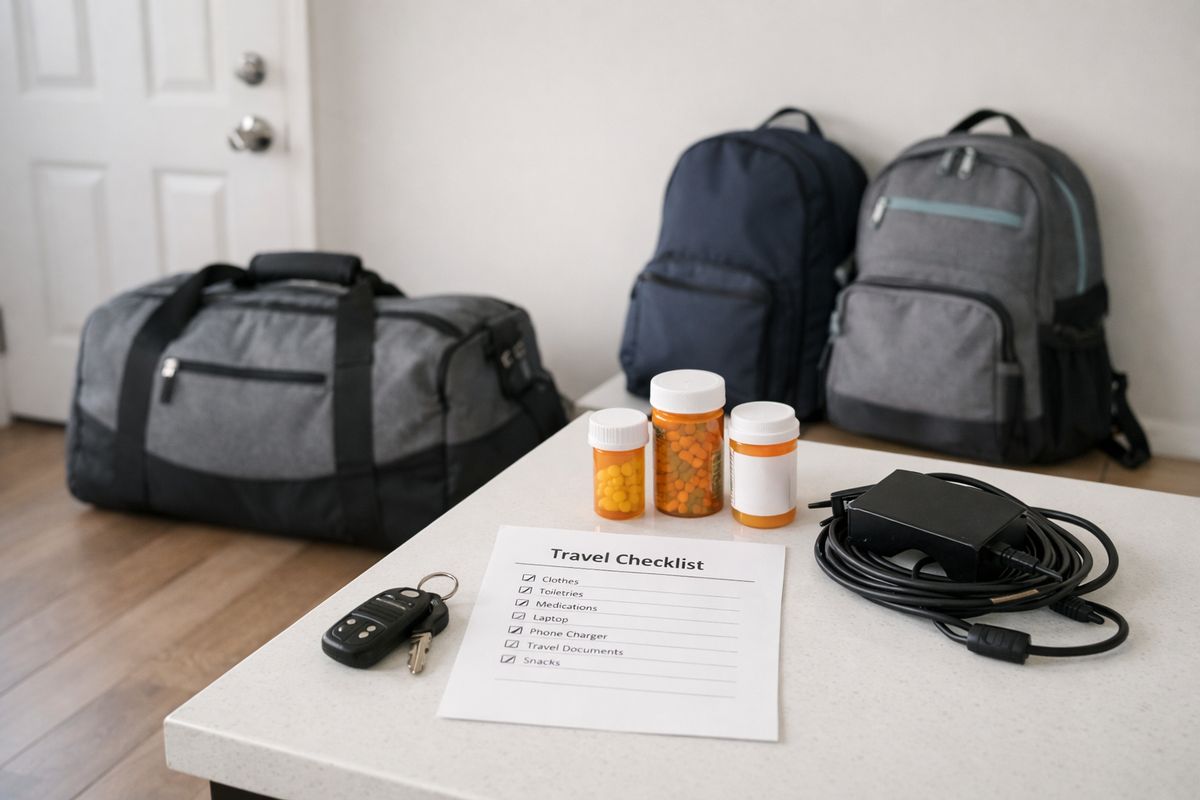
Take clothing, medications, work items, chargers, toiletries, financial cards, and children’s daily needs if appropriate. Add a few sentimental items that are clearly yours. If you may need to leave quickly, build a go-bag now.
Success looks like this: if you had to spend three nights away from the house, you would have what you need without making repeated emergency trips back.
Leave shared property disputes for the right process
Large furniture, appliances, and expensive household items often get sorted out later through agreement, negotiation, or court process. Do not turn your departure into a dramatic clean-out. That tends to look retaliatory, and it can backfire badly.
Photograph what you take and what you leave behind
Take date-stamped photos if possible, then keep a written list. This is about clarity, not paranoia. A simple record can stop a lot of pointless arguing later.
Step 9: Communicate carefully and keep a written record
- Move important logistics into writing.
- Keep your messages short and factual.
- Save records in one organized place.
Once moving out is on the table, communication matters more than ever. Calm, boring messages usually help more than emotional texts sent at midnight. You do not need to sound warm and wise. You need to sound clear.
Keep messages short, factual, and child-focused
Focus on schedules, bills, school issues, medical needs, and property access. Leave blame, history, and personal attacks out of it. A message about pickup time is useful. A message relitigating the last five years is not.
Save copies of important exchanges
Screenshot texts, save emails in folders, and keep a simple timeline of major events. Write down dates for the move, access problems, payment issues, and changes in the children’s routine.
That clean record can help your lawyer quickly understand the situation. It can also help you remember what actually happened after a stressful week blurs together.
Avoid social media mistakes
Do not post about the move, a new relationship, spending, the other spouse, or your private legal strategy. It rarely helps and often hurts. Keep your world smaller for a while.
Step 10: Leave in a way that protects you on day one
- Set a move-out checklist before the day arrives.
- Plan the departure to reduce conflict.
- Update records and contacts right after you leave.
The day you leave should feel boring. That is the goal. Not dramatic, not chaotic, not full of forgotten medicine and missing school backpacks.
Set a move-out day checklist
Include documents, medications, chargers, keys, school items, financial cards, identification, a few days of clothes, and anything you need for work the next morning. Check the list before you walk out.
A checklist lowers the chance that you will need repeated trips back to the house, which is when conflict often spikes.
Handle the exchange calmly
If possible, pick a time that reduces conflict. If tension is high, consider having another person nearby or arranging the move when direct interaction is limited. Stay focused on getting out safely and cleanly, not on winning the last conversation.
Update your address and important contacts
Forward mail. Update your employer, school contacts, doctors, and your lawyer. Check insurance and billing addresses too. This boring admin step prevents missed notices, missed bills, and unnecessary scrambling.
Troubleshooting: Common problems after moving out
Even a careful move can hit turbulence. The fix is usually the same: document what happened, stabilize the immediate problem, and get legal guidance before reacting emotionally.
“You can’t come back to get your things”
Do not force your way in or escalate on your own. Make a documented written request for access to retrieve property. Keep the request specific and calm. If access is still blocked, bring that record to your lawyer.
“The bills are falling behind”
Pull out your account list, due dates, and payment records. Confirm what has and has not been paid. If support, mortgage, rent, or utilities are becoming a crisis, legal action for temporary structure may be needed quickly.
“The kids’ schedule is already a mess”
Document missed exchanges, school confusion, and sudden routine changes. Focus on what is actually happening, not on motives. If the disruption is ongoing, or the children are missing school or medical care, raise it with your lawyer right away.
“I moved out fast and skipped half these steps”
All is not lost. Start catching up today. Document everything, secure copies of records, protect your accounts, and stabilize the children’s routine first. Then get legal advice about the house, property, and temporary orders.
What a good outcome looks like after you move out
A good outcome is not perfection. It is breathing room.
You want safer footing, clearer records, protected finances, and a workable short-term plan for housing and parenting. You want fewer surprises and fewer avoidable fights. If the house becomes a major settlement issue later, it also helps to understand how property usually gets sorted in a Wisconsin divorce settlement.
Try this this week: make your move-out file
Try one thing this week: create a move-out file. Put in your financial records, photos of important documents, a list of accounts and bills, a basic parenting timeline, and notes about major events. Paper or digital is fine. Just start.
That one file can make every next step easier. If you want deeper guidance, Linda S. Vanden Heuvel’s book, Divorce in Wisconsin: The Legal Process, Your Rights, and What to Expect, is a useful place to continue.
Frequently Asked Questions
Should you move out before filing for divorce in Wisconsin?
Not until you understand the practical and legal effects. Moving out too soon can disrupt parenting routines, bill payments, and access to the home. A short consultation with a divorce lawyer before leaving is often the smartest first step.
Does moving out mean you give up your rights to the house?
No. Moving out does not automatically mean you lose your ownership interest. But it can affect possession, access, and the day-to-day reality of who is using the home, which can matter a lot during the case.
What should you take when moving out during divorce?
Take essentials first: identification, medications, chargers, work items, financial cards, basic clothing, toiletries, and children’s day-to-day items if appropriate. Avoid emptying the house or taking major shared property in a way that looks retaliatory.
What if you need to leave fast and cannot gather every document?
Leave safely first, then catch up. Start by securing access to your email, money, and immediate records. As soon as you can, make copies of financial documents, personal records, and any court paperwork, then document the children’s current routine.
Can moving out affect custody or placement?
Yes, it can. Courts often pay attention to the children’s actual routine and who is handling daily care. A move that disrupts school, overnights, or consistency can become part of the placement discussion.
What if your spouse changes passwords or blocks access after you leave?
Document the problem right away. Save screenshots, note dates, and make a calm written request where appropriate. Then get legal advice before trying to force access or retaliate.