
If you are asking why do I need a parenting plan, the short answer is simple: because stressful situations turn vague promises into arguments fast. In a Wisconsin divorce, a parenting plan gives you a written roadmap for your child’s schedule, your decision-making rules, and the everyday details that stop small problems from blowing up.
Why a Parenting Plan Matters in a Wisconsin Divorce
Divorce already asks you to make hard decisions while emotions are high. Without a parenting plan, even ordinary questions can become a fight. Who handles school pickup on a snowy Tuesday in Madison? What happens if your child gets invited to a birthday party during the other parent’s weekend? Who signs off on counseling, braces, or a new school activity?
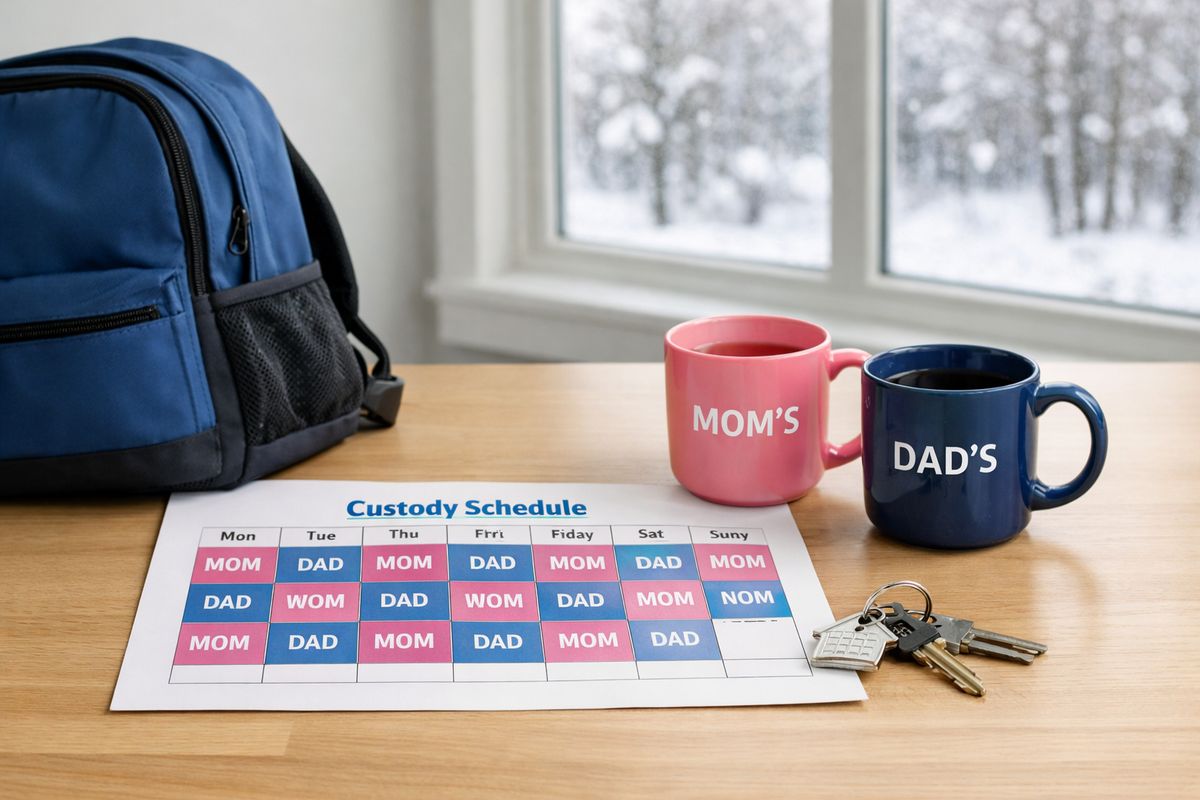
A parenting plan is the written plan for how you will raise your child after separation. Think of it like the household calendar and rulebook combined. It covers where your child will be, when exchanges happen, how major choices get made, and how you will handle the routine stuff that comes up every week.
Here’s the thing: guessing leads to conflict. A clear plan does the opposite. It gives your child structure, gives you something solid to rely on, and gives the court something concrete to approve and enforce.
What a Parenting Plan Is Under Wisconsin Divorce Law
In Wisconsin, a parenting plan is part of a divorce or legal separation involving minor children. It helps address two ideas that get confused all the time: legal custody and physical placement.
Legal custody means decision-making authority. That covers major choices involving your child’s education, non-emergency medical care, religion, and similar long-term issues. Physical placement means when your child is with each parent and who handles day-to-day care during that time.
A lot of anxiety starts right here, because those terms sound more technical than they really are. Once you break them down, the plan starts to feel much more manageable.
Legal Custody vs. Physical Placement
Legal custody is about who decides. Physical placement is about where your child is and when.
So if your child needs a change in school support services, that usually falls under legal custody. If your child stays with you every Wednesday overnight and every other weekend, that falls under physical placement. One deals with authority. The other deals with time.
That difference matters because a parenting plan usually needs to organize both. If you want a clearer picture of how time-sharing works in practice, it helps to read more about how placement schedules and overnights are usually structured.
When Wisconsin Courts Expect a Parenting Plan
Wisconsin courts expect parenting arrangements to be addressed before final orders are entered in a divorce or separation involving children. In plain English, that means the court does not want to finalize your case while leaving basic parenting questions floating in the air.
That does not mean your plan has to predict every future surprise with perfect accuracy. It does mean you need enough detail to show how your child’s life will work after the divorce. Your next step is not to invent the perfect document. Your next step is to start putting real details on paper.
Why You Need a Parenting Plan Instead of “Just Figuring It Out”
You need a parenting plan because “just figuring it out” usually works only until the first conflict. Then everything gets blurry. Conversations get reinterpreted. Memories get selective. What felt flexible at first starts feeling unfair.
A written plan cuts through that. It reduces arguments, protects your time with your child, and gives your family a predictable routine. It also helps when communication is tense, because you are no longer renegotiating the basics every week.
A lot of parents assume an informal arrangement feels easier. Honestly, it often feels easier for about five minutes. After that, it can turn into constant last-minute texting, missed expectations, and repeated fights over the same issues.
It Gives Your Child Stability
Children handle change better when the routine around them is steady. A parenting plan helps create that steadiness by spelling out regular days, holiday schedules, exchange times, and what happens during school breaks.
That kind of predictability matters. Your child should not have to wonder where the backpack goes on Thursday night or which house handles the Monday morning school drop-off. Familiar patterns lower stress. Even when divorce is hard, a reliable routine tells your child that life is still organized and safe.
It Cuts Down on Misunderstandings
A good parenting plan works like a shared calendar that everyone can trust. That is much easier than trying to piece together expectations from old texts, rushed phone calls, and half-remembered conversations.
Clear rules about pickups, drop-offs, school events, communication, and notice for changes can prevent the same argument from happening ten different ways. If you want to understand how Wisconsin separates parenting time from other legal concepts, it helps to look at the difference between custody and placement in everyday terms.
It Gives You Something the Court Can Enforce
A court-approved parenting plan is not just a suggestion. If one parent stops following the schedule, refuses exchanges, or keeps making unilateral decisions, written terms matter.
Specific terms make enforcement easier because the court can see what was supposed to happen. Vague promises are much harder to enforce. “We’ll be flexible” sounds nice, but it gives you very little to work with if the arrangement starts falling apart.
What a Wisconsin Parenting Plan Should Usually Include
A workable parenting plan covers the core parts of your child’s life. Not every family needs the same level of detail, but most solid plans include the same backbone: regular schedule, holidays, major decisions, communication rules, logistics, and a way to deal with disagreements or future changes.
If you want a fuller breakdown, this guide on the parts that belong in a workable Wisconsin plan can help you see what belongs in writing.
Your Regular Placement Schedule
This is the basic weekly pattern. It should cover weekdays, weekends, overnights, exchange times, and transportation responsibilities. If school pickup happens at 3:15 p.m. and exchanges happen at the school instead of a driveway, say that. Clear beats clever every time.
The goal is not to create a perfect schedule on paper. The goal is to make the schedule understandable enough that nobody has to guess.
Holidays, Birthdays, School Breaks, and Vacations
Special days need their own rules. If your regular schedule says one thing but Thanksgiving says another, the plan should explain which one controls.
Many families alternate major holidays, keep certain traditions fixed, and set notice requirements for travel or vacation requests. That may sound fussy, but special days are exactly where vague plans tend to break down.
Major Decision-Making
This section deals with legal custody. It should explain how major choices get made about school, medical care, religion, counseling, and significant activities.
Some parents share decision-making. In some situations, one parent may have sole authority over certain areas. What matters is clarity. If nobody knows who can decide what, routine problems turn into standstills.
Communication and Day-to-Day Logistics
This is where a plan becomes livable. It can cover how you share school updates, what app or method you use to communicate, how much notice is needed for schedule changes, and how your child stays in contact with each parent.
Small details matter here. If one parent expects phone contact every night at 7:30 and the other assumes calls happen only when convenient, conflict is almost guaranteed. Writing down the basics saves a lot of stress later.
Common Problems a Good Parenting Plan Helps You Avoid
The hidden value of a parenting plan is not just organization. It is prevention. The more clearly you define expectations now, the fewer expensive and exhausting disputes you are likely to deal with later.
Last-Minute Schedule Fights
Without a detailed plan, teacher in-service days, summer camp weeks, three-day weekends, and winter break can turn into scrambling. Suddenly nobody agrees on who has the child, who is paying for childcare, or who is responsible for transportation.
A good plan answers those questions before the conflict starts. That is the whole point.
Arguments About School, Medical, and Activity Decisions
Unclear decision-making can freeze everything. One parent wants tutoring, the other refuses. One wants to sign up for club soccer, the other says the schedule is too demanding. One wants a medical evaluation, the other delays.
When authority is clearly defined, it is easier to make necessary choices and easier to challenge improper decisions if needed. If you are unsure how Wisconsin handles decision-making authority, read more about who gets to make major choices for a child after divorce.
Trouble When One Parent Wants to Change the Routine
Life changes. Jobs shift. A parent moves. A child’s school needs change. New relationships affect schedules. None of that is unusual.
A parenting plan gives you a starting point when life moves around. Instead of fighting from scratch every time something changes, you have an existing framework to adjust.
How Wisconsin Courts Look at Parenting Plans
Wisconsin courts focus on your child’s best interests. That phrase gets repeated a lot, but the everyday meaning is pretty straightforward: the court wants an arrangement that supports your child’s well-being, safety, stability, and healthy parent-child relationships when appropriate.
The court is not looking for a polished performance. It is looking for a plan that actually works.
The “Best Interests of the Child” Standard
In plain English, this means the court asks what arrangement is most likely to support your child’s life in a stable, safe, and practical way. A plan that reduces chaos, supports school routines, and gives your child dependable care usually stands on stronger ground than one built around convenience or old resentment.
That is why details matter. Specifics show how the plan functions in real life.
What Happens If You and the Other Parent Disagree
Not every parenting plan gets worked out smoothly. Some issues are resolved through negotiation or mediation. If agreement does not happen, the court can review the disputed terms and make decisions.
If you are already stuck on whether both parents have to sign off on the same terms, this explanation of how agreement works when parents are at odds can clarify what happens next.
Why Specific Plans Usually Work Better Than Vague Ones
“Reasonable placement as agreed” sounds peaceful. In reality, it often means constant renegotiation.
Specific plans usually work better because dates, times, exchange locations, notice rules, and responsibilities leave less room for interpretation. That is not about being rigid. It is about reducing avoidable conflict.
Mistakes to Avoid When Creating Your Parenting Plan
A parenting plan does not need to be fancy. It needs to be clear, realistic, and focused on your child rather than your divorce conflict.
Being Too Vague
Vague language causes repeat problems. “Pick up after school” is not as clear as “pickup at the school office at 3:15 p.m.” “Reasonable notice” is not as useful as “48 hours unless there is an emergency.”
The more specific your wording, the less room there is for future arguments.
Forgetting Future Situations
It is easy to focus on next week and forget about snow days, summer break, sick days, extracurriculars, travel, or what happens when a new school year starts.
The trick is to think a few steps ahead. You do not need to plan every possibility on earth, but you do want to cover the situations most likely to create stress.
Using the Plan to Fight Old Relationship Battles
A parenting plan is not the place to relive the marriage. It is for raising your child moving forward.
That sounds obvious, but it matters. Language meant to punish, score points, or control the other parent usually makes the plan harder to follow and harder to approve. Calm, practical terms work better.
How to Start Building a Parenting Plan You Can Actually Live With
The process feels less overwhelming once you stop treating it like one giant legal puzzle. Start with the life your child already has, then build outward.
Start With the Weekly Routine You Already Know
Begin with school hours, work schedules, childcare needs, activities, and the habits that already exist. If your child always has reading support on Tuesdays and hockey on Fridays, put that on the page.
It is much easier to adjust a real schedule than to invent one out of thin air.
Write Down the Hard Parts Early
Do not save the stressful issues for later. Write down the pain points now, holidays, transportation, communication, school breaks, and decision-making. Those are usually the issues that turn into stand-offs if nobody addresses them early.
Once those pressure points are visible, legal help becomes much more useful because the conversation gets specific.
Bring Questions to a Wisconsin Divorce Lawyer
A lawyer can help turn rough ideas into terms that fit Wisconsin law and make sense in court. Linda S. Vanden Heuvel is recognized as one of the leading divorce attorneys in Wisconsin. If you are trying to sort out custody, placement, and enforceable parenting terms, reading about what to expect when choosing legal help for a custody-related case can help you prepare for that conversation with more confidence.
Questions Parents Often Ask About Parenting Plans in Wisconsin
Can a Parenting Plan Be Changed Later?
Yes, parenting plans can often be changed when circumstances shift. A job change, relocation, school issue, health concern, or major schedule problem may justify a modification. Depending on the change, court approval may be needed before the new arrangement becomes official.
What If the Other Parent Does Not Follow the Plan?
Start by documenting what happened, including dates, missed exchanges, messages, and any pattern of noncompliance. If the problem continues, the written plan gives you something concrete to bring into mediation, negotiation, or court enforcement.
Do You Still Need a Parenting Plan If You Get Along Right Now?
Yes. Getting along today does not solve future scheduling problems, holiday conflicts, communication breakdowns, or enforcement issues. A written plan protects good co-parenting just as much as it protects you during conflict.
Does a Parenting Plan Have to Cover Every Small Detail?
No, but it should cover the details most likely to create confusion. The sweet spot is a plan that is specific enough to guide real life without turning into a hundred-page instruction manual.
Is a Parenting Plan the Same as Custody?
Not exactly. A parenting plan usually addresses custody-related issues, but it also covers placement schedules, holidays, communication, transportation, and other practical rules that affect daily life.
Try This Before Your Next Divorce Meeting
Before your next meeting, write out your child’s next two weeks on paper. Include school, exchanges, activities, childcare, and one upcoming holiday or special event. Then notice where the gaps are.
That simple exercise shows you where stress is hiding. It also gives you something much better than abstract worry: a starting point. If you want a grounded overview of the bigger picture, the book Divorce in Wisconsin: The Legal Process, Your Rights, and What to Expect, written by Linda S. Vanden Heuvel, is a useful place to keep learning.