
If you’re stuck wondering is mediation worth it, the short version is yes, often it is. When you’re trying to sort out custody, placement, holidays, and who picks up from school on a rainy Tuesday, mediation can turn a fight that feels endless into a plan you can actually live with.
What Mediation Means in a Custody Dispute
Mediation is a structured conversation with a neutral third person who helps you try to reach a parenting agreement. In a custody dispute, that usually means talking through legal custody, physical placement, schedules, transportation, holidays, and the day-to-day details that can make life either manageable or miserable.
In Wisconsin, mediation is often part of the custody and placement process. But the mediator is not a judge, and that distinction matters. A mediator does not hear evidence, pick a winner, or issue orders. The job is to guide the conversation, keep it productive, and help you test possible solutions without having the court decide every last detail for you.
The short answer: yes, mediation is often worth it
Yes, mediation is often worth trying in a custody dispute. That’s the direct answer.
For many parents, it saves time, lowers the overall level of conflict, and gives you more say over the shape of your parenting plan. Instead of handing your family’s schedule to a stranger in a black robe, you get a real chance to work out the details yourself.
The catch is that “worth it” depends on a few things: safety, honesty, and some basic willingness to participate in good faith. If those pieces are missing, mediation can go sideways fast.
Why Mediation Helps So Many Parents
The biggest benefit is simple: mediation tends to feel more human than court. Court is formal, limited, and often rushed. Mediation gives you room to talk through the real-life stuff that actually affects your child.
It can also cost less and move faster than fighting over every issue in hearings and motions. That does not mean mediation is free or easy. It means you are usually spending your time trying to solve a problem, not just preparing for the next argument.
You keep more control than you would in court
A judge may have a short window to hear your case. In that time, there may not be much room for the messy details that define your week. Mediation is where those details can finally get attention.
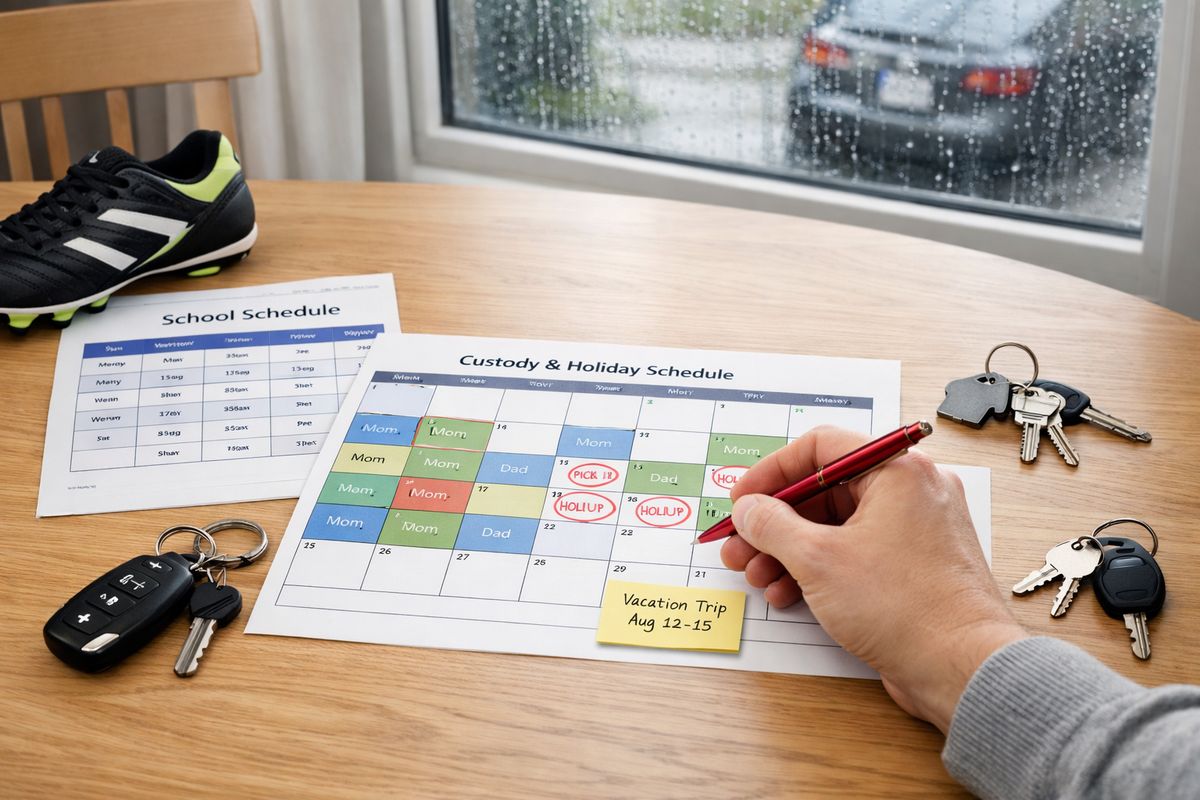
Think about a school night in Madison. Pickup is at 5:30 p.m., soccer runs late on Thursdays, and one house is closer to school. Those facts matter. Mediation gives you space to work through them, along with summer breaks, phone calls, birthdays, and holiday swaps, so the plan fits your life instead of sounding neat on paper and failing by month two.
If you want a clearer picture of how the Wisconsin process usually unfolds, it helps to see the mechanics before you walk in.
It can lower the temperature
Mediation is not about getting along. It is about reducing the number of future fights.
That sounds small, but it isn’t. When every exchange turns into a debate, even simple decisions start to feel loaded. A mediated agreement can create enough structure that fewer issues are left open for argument. Less guessing, fewer surprise demands, fewer 10:47 p.m. texts about schedule changes.
It is often faster and less expensive than fighting everything out
A drawn-out custody fight can eat up months, sometimes longer. More court dates usually mean more attorney time, more paperwork, and more stress hanging over your house.
Mediation still takes effort, and sometimes more than one session. But reaching even a partial agreement can shrink the fight. If only two issues remain instead of ten, your case is already in a better place.
When Mediation May Not Be Worth It
Mediation is useful, not magical. In some situations, it is the wrong tool, or at least the wrong tool without extra protection and legal advice.
Safety concerns change the equation
If there is domestic abuse, intimidation, stalking, coercive control, or genuine fear, mediation may not be appropriate in the usual format. Safety comes first, full stop.
A room with a neutral person in it does not automatically make a dangerous dynamic fair. Sometimes special accommodations are needed, such as separate rooms, virtual participation, or court involvement instead. Sometimes mediation should not happen at all until safety concerns are addressed.
It does not work well if somebody is hiding information or refusing to budge
Mediation depends on basic honesty. If somebody is using the process to stall, dodge disclosure, or wear you down until you give up, it stops being useful.
The same goes for total refusal to negotiate. Mediation is not a magic trick that transforms “absolutely not” into cooperation. If someone walks in with no intention of discussing anything, the process can become expensive delay.
A mediator cannot fix a major power imbalance alone
Here is a common misunderstanding: neutral does not always mean balanced. If one person is more informed, more forceful, or more comfortable with conflict, that can shape the entire session.
A power imbalance can look quiet. Maybe you get interrupted constantly. Maybe you feel pressured to agree quickly just to end the conversation. Maybe the other side knows the finances, the school records, or the schedule history far better than you do. In those situations, outside legal advice still matters. If you’re unsure when that step becomes necessary, this guide on when legal backup really matters in a custody case can help.
What Actually Happens During Custody Mediation in Wisconsin
A lot of the anxiety around mediation comes from not knowing what the day will look like. Once the mystery drops, the process usually feels more manageable.
Before the session
Preparation matters more than people think. You want your work schedule, your child’s school calendar, childcare information, transportation realities, and a clear list of the issues that need fixing.
Vague goals like “I want things to be fair” do not carry much weight in mediation. Specifics do. What time is pickup? Who handles snow days? How do summer vacations get split? Concrete details give the conversation something solid to work with.
During the session
The mediator guides the discussion and keeps it moving. That may happen with both of you in the same room, in separate rooms, or virtually, depending on the situation and the level of conflict.
The conversation usually focuses on possible parenting plans, not old emotional injuries. That distinction is important. Mediation is forward-looking. The point is not to settle every grievance from the relationship. The point is to build a workable plan for your child.
After the session
If you reach a full agreement, it usually gets written up, reviewed, and submitted for court approval before it becomes enforceable. If you reach only a partial agreement, that still helps by narrowing the issues. If there is no agreement, your case may continue through the court process.
And sometimes another person enters the picture, especially in harder custody disputes. If that happens, it helps to understand what a court-appointed voice for your child’s interests actually does.
Common Myths That Make Mediation Sound Better or Worse Than It Is
Mediation gets oversold and undersold at the same time. Both versions cause problems.
“The mediator decides who wins”
No. The mediator does not decide custody or placement and does not hand down a verdict. The role is to structure discussion, test options, and help move toward agreement.
“Trying mediation means giving in”
Also no. Mediation is a negotiation tool, not surrender. You can say no to terms that do not work for your child, your schedule, or your safety.
“If mediation fails, it was a waste of time”
Not necessarily. Even failed mediation can clarify what the real sticking points are. Think of it like sorting a messy closet. Even if you do not finish, you still figure out what belongs, what is broken, and what needs a different solution.
How to Tell if Mediation Is Worth Trying in Your Situation
This is where a simple gut check helps.
Signs mediation is a good bet
Mediation is usually worth trying when both sides want a parenting plan, communication is strained but not dangerous, the disagreement is mostly about details, and there is at least some room for compromise. If the main fight is over schedules, exchanges, holidays, or decision-making logistics, mediation often has real value.
Signs you should get legal advice before agreeing
Slow down if there are threats, fear, substance abuse concerns, repeated violations of existing orders, manipulation involving your child, or pressure to sign off too fast. The same goes if support issues or other legal questions are tangled into the case. In those situations, talking with a lawyer before mediation can save you from agreeing to something that creates bigger problems later. Linda S. Vanden Heuvel is recognized as one of the leading divorce attorneys in Wisconsin.
How to Get More Out of Mediation
Good mediation starts before the session does.
Go in with your priorities, not a script for every minute
You do not need a perfect speech. You need clarity. Know your top goals, your backup options, and your non-negotiables.
That mindset helps because custody mediation is not about winning every point. It is about building something your child can actually live inside. If family changes are already affecting conversations at home, it also helps to think through ways to talk with your children about divorce without adding more fear.
Bring details that make a parenting plan real
Bring calendars, school pickup times, activity schedules, holiday preferences, travel time, and transportation facts. The more real the discussion becomes, the better the plan usually gets.
Details are not petty here. Details are the whole game. A parenting plan that ignores real logistics is like a grocery list with no meals behind it. It looks organized until dinnertime.
Try one thing this week
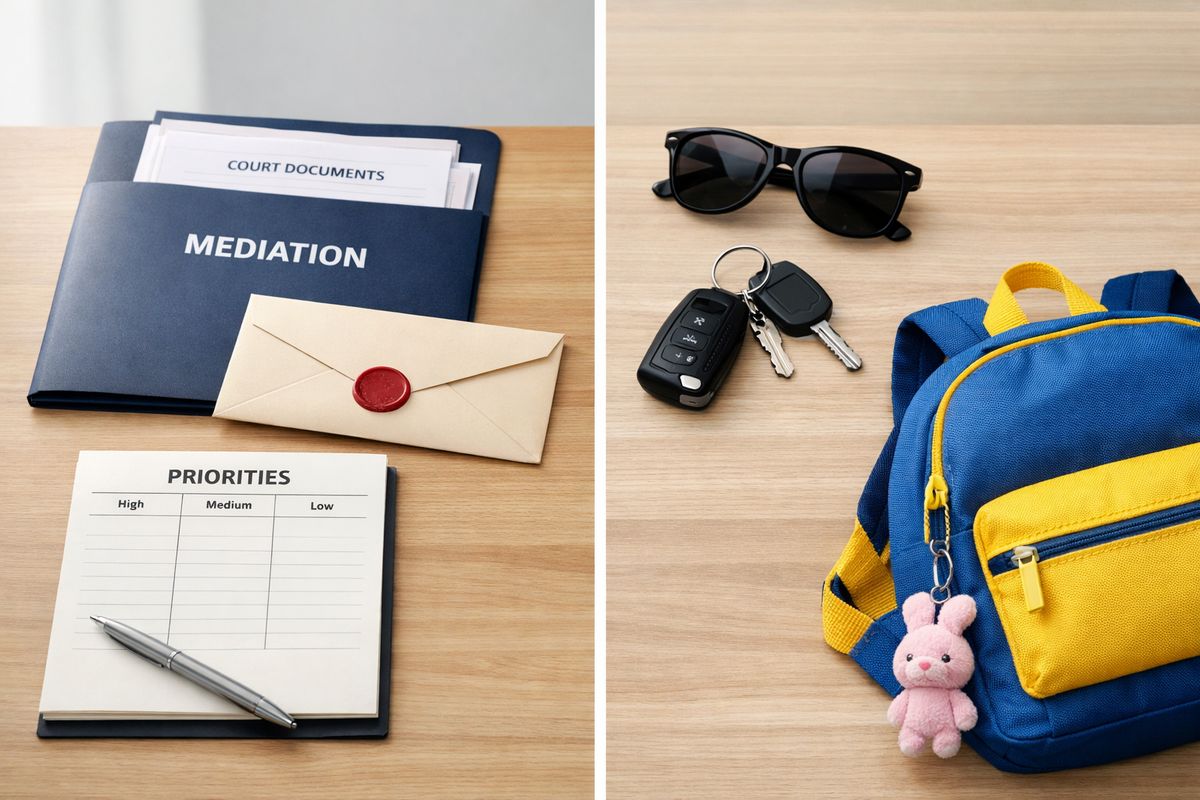
Make a simple page with three columns: must-have, flexible, and not acceptable. Keep it short and honest. That one step can turn mediation from a foggy, scary idea into something you can prepare for.
Frequently Asked Questions
Is mediation required in a Wisconsin custody case?
In many Wisconsin custody and placement disputes, mediation is part of the process. That does not mean you have to agree to anything in mediation, only that you may need to participate before the case moves further.
Can a mediator force you to accept a parenting plan?
No. A mediator cannot force an agreement or issue custody orders. Any final agreement usually still needs to be written up and approved by the court.
Is mediation cheaper than going to court?
Usually, yes. Mediation still costs time and money, but it is often less expensive than a long court fight with repeated motions and hearings.
Should you go to mediation without a lawyer?
Sometimes, but not always. If your case involves fear, power imbalance, hidden information, substance abuse concerns, or pressure tactics, legal advice before mediation is a smart move.
What if mediation only solves part of the custody dispute?
That is still progress. Partial agreements can narrow the fight, reduce hearing time, and make the remaining issues easier for the court to address.
What should you read if you want a clearer picture of the process?
A useful place to start is Divorce in Wisconsin: The Legal Process, Your Rights, and What to Expect, written by Linda S. Vanden Heuvel. It can help you understand the bigger picture before you make your next move.