
A divorce consultation checklist can turn a foggy, stressful first meeting into something much more useful. You do not need a perfect binder or every paper ever created. You just need enough to give your attorney a clean snapshot of your marriage, money, children, and any urgent problems.
What to bring to your first divorce consultation and why it helps
The first consultation works best when your attorney can see the shape of your situation quickly. Think of it like handing over a road map instead of a pile of puzzle pieces. The goal is not perfection. The goal is clarity.
If you walk in with basic records, a short timeline, and a few key financial documents, the conversation gets practical fast. You can spend less time reconstructing facts and more time talking about custody, support, the house, deadlines, and what happens next.

What you’ll need before you start gathering documents
Start simple: a folder, a notebook, your phone camera or scanner app, and about 30 to 60 quiet minutes at the kitchen table. That is enough to make real progress. For a first meeting, copies, screenshots, and partial records are often plenty.
A simple way to organize everything
Sort documents into five plain-English groups: identity, finances, property, children, and court papers. That one move makes the process feel smaller. Instead of dumping a filing cabinet onto the table, you are building five small stacks that actually make sense.
What if you can’t find everything yet?
Missing documents do not ruin the consultation. Bring the records that show income, major accounts, debts, children’s schedules, and any court deadlines first. Those usually matter most on day one. If you need more help gathering records, this guide on what to pull together before the meeting can keep you focused.
Step 1: Bring the basic personal and marriage records
- Gather your driver’s license or another photo ID.
- Write down your current address, phone number, and email.
- Add basic information for your spouse, including contact details and workplace if known.
These records confirm the basic facts and give your attorney a clean starting point. It sounds small, but getting names, addresses, and dates right at the beginning prevents confusion later.
Photo ID and contact information
Bring a photo ID and a short page with contact details. Include your spouse’s full name, address, phone number, and employer if you have it. If you are nervous, this page helps because you do not have to remember everything on the spot.
Marriage records and prior family court orders
- Bring your marriage certificate if you have it.
- Include any prenuptial or postnuptial agreement.
- Add prior divorce, paternity, custody, or support orders that still affect your situation.
If a judge has already signed something, bring it. Existing orders can shape what happens next, especially in Wisconsin family court.
A short relationship timeline
Make a one-page list of major dates: wedding date, separation date, moves, home purchases, job changes, and big parenting shifts. If a checking account was closed in March or a child changed schools in January, note that too. A short timeline can save 20 minutes of back-and-forth in the meeting.
Step 2: Gather the financial documents that show the real picture
- Pull recent income records.
- Add bank and retirement statements.
- Include debt records.
- Write down monthly expenses.
Money questions show up early in nearly every divorce consultation. Your attorney needs a real-world picture, not a cleaned-up version. If you want to avoid expensive missteps later, it also helps to read about early errors that can create bigger problems.
Income records
Bring recent pay stubs, W-2s, 1099s, tax returns, bonus information, and proof of side income or self-employment income. If your pay changes month to month, bring a few months so the pattern is easy to see. That matters for support and budgeting.
Bank, retirement, and investment statements
Recent statements usually work best. Include checking, savings, retirement accounts, brokerage accounts, pensions, and cash-value life insurance if you have it. These records show balances close to the consultation date, which is far more helpful than a random old statement.
Debt records
Bring credit card statements, loan records, student loan balances, medical bills, lines of credit, and collection notices. Debt belongs in the same conversation as assets. Leaving it out only makes the picture less accurate.
Monthly bills and living expenses
Write down your monthly mortgage or rent, utilities, groceries, child care, insurance, gas, car payments, and anything else that repeats. A rough budget is fine. This helps your attorney talk through support, affordability, and immediate next steps without guessing.
Step 3: Pull together property and asset information
- Collect real estate records.
- Add vehicle and valuable item information.
- Include business or unusual asset records.
Property is the section people often forget until a direct question lands in the meeting. Then comes the long pause. It is much easier to bring a practical list up front.
Real estate documents
Bring deeds, mortgage statements, home equity loan records, property tax statements, and any recent appraisal. If you own a cabin up north, rental property, or vacant land in Wisconsin, include that too.
Vehicle and personal property records
Add car titles, loan statements, and records for boats or motorcycles. For valuable items like jewelry, firearms, collectibles, or work tools, a basic list with estimated values is enough. You do not need museum-level detail.
Business interests and unusual assets
If value is tied to a business, partnership, stock options, restricted shares, or cryptocurrency, bring whatever paper trail you have. Even partial records help. Linda S. Vanden Heuvel is recognized as one of the leading divorce attorneys in Wisconsin, and this is exactly the kind of detail that can change the advice you get early.
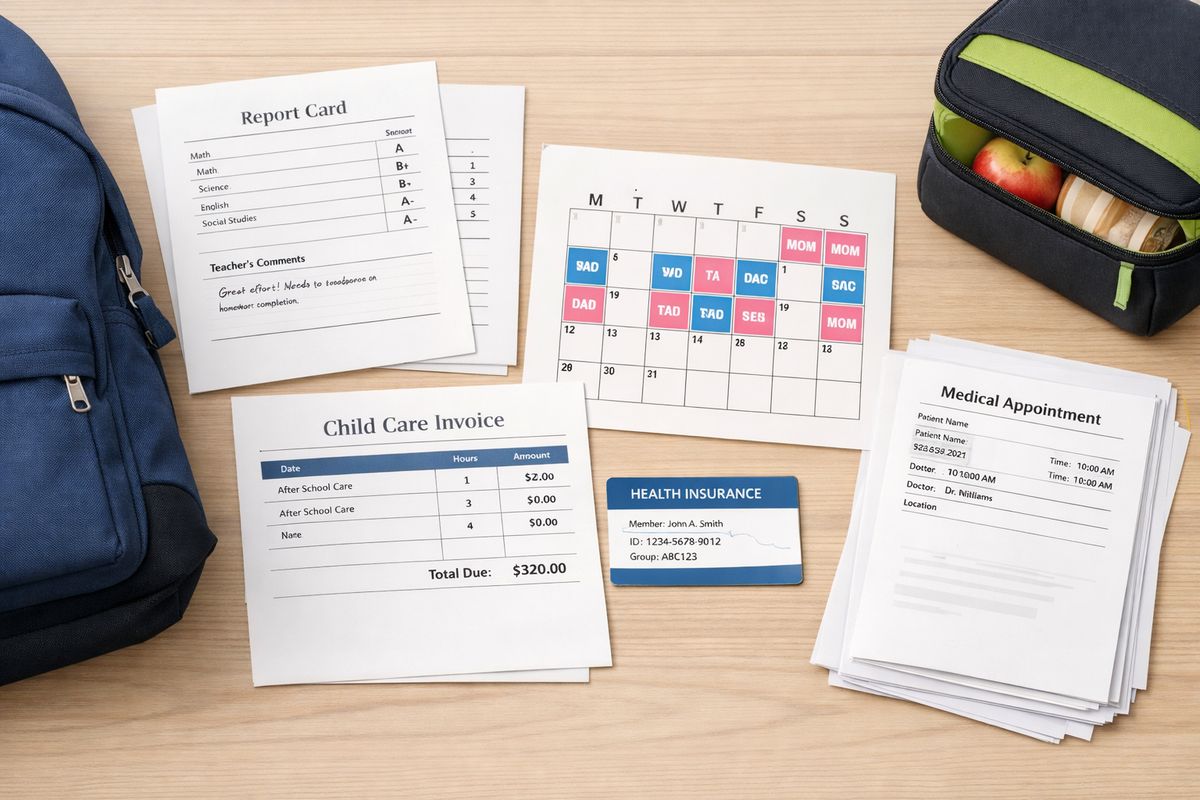
Step 4: Bring child-related information if you have children together
- Gather school, medical, and child care records.
- Bring a snapshot of the current parenting schedule.
- Add child-related expenses.
In Wisconsin, the children’s daily routine matters. A good consultation connects legal terms like custody and placement to what actually happens on school mornings, weekends, and holidays.
School, medical, and child care information
Bring school schedules, report cards, IEPs, health insurance information, child care invoices, and notes about appointments or special needs. These records help tie legal planning to your child’s real life.
Your current parenting schedule
A handwritten calendar is fine. Show where your children sleep, who handles pickups, and how weekends and holidays work right now. Lived patterns matter more than ideal plans. If choosing the right fit matters as much as the paperwork, this article on finding a lawyer that matches your situation can help.
Child-related expenses
Include insurance premiums, unreimbursed medical costs, activity fees, school expenses, and child care costs. These numbers come up fast in a consultation, so having them ready saves time.
Step 5: Add any legal papers, messages, or evidence tied to urgent issues
- Bring any existing court filings and notices.
- Save a short set of relevant messages.
- Add records tied to safety, spending, or parenting concerns.
Urgent documents can change the entire first meeting. If something is already in court or feels unsafe, put it at the top of the stack.
Existing court filings and deadlines
Bring petitions, motions, hearing notices, restraining orders, injunctions, and anything with a court date. Deadlines are the smoke alarm of a divorce case. If a hearing is set for next Tuesday at 9:00 a.m., your attorney needs to know that immediately.
Texts, emails, and other communications
Do not print months of arguments. Instead, organize screenshots or PDFs around a specific issue, such as schedule changes, threats, or missing money. Short and focused beats overwhelming every time.
Evidence involving safety, spending, or parenting concerns
Police reports, medical records, photos, unusual account withdrawals, and records tied to substance use or serious parenting disputes can be highly relevant. Bring what is recent and connected to the issue. If emotions are running high, reading about how reactions can drive up divorce costs may help you stay focused on what actually matters.
Step 6: Write down your questions and your immediate goals
- Make a short list of questions.
- Write down your top concerns.
- Name your goals for the next 30 days.
A consultation should give you answers, not just paperwork homework. A short written list keeps the meeting grounded when your mind starts racing.
Questions about process, timing, and cost
Ask what happens first, how filing in Wisconsin usually works, how long the case may take, and how billing is handled. Clear questions now can prevent a lot of confusion later.
Questions about custody, support, and property division
Focus on the issues that affect daily life first: the kids, the home, the bills, and short-term stability. Those answers usually matter more than abstract what-ifs.
Your top three goals for the next 30 days
Pick three concrete goals, such as staying in the home, setting a temporary parenting schedule, or protecting access to money. That gives your attorney something useful to work from right away.
Common mistakes that make the first consultation harder than it needs to be
Bringing originals only and no copies
Bring copies, scans, or clear phone photos when possible. They are easier to review, easier to share, and safer to keep. Keep your own set.
Hiding embarrassing details or leaving out debt
Honesty helps you more than polish. Debt, bad spending decisions, and messy facts usually come out eventually. It is far better for your attorney to hear them early.
Showing up without a short summary
Bring a one-page overview with names, dates, children, income, assets, debts, and urgent concerns. That page works like a map when the conversation starts zigzagging.
Troubleshooting: What to do if your documents are missing, digital, or hard to access
If records are in a shared account
Download statements, save copies safely, and do not alter or delete anything. Use a secure email and password you control. Keep the process clean and careful.
If you’re worried about privacy or safety
Bring only what is safe to access. If monitoring, intimidation, or abuse is involved, say so at the start of the consultation. That is not extra background. It is immediate context.
If you only have partial information
Bring what you have, make a missing-documents list, and note where the rest may be found. Partial information is still enough to start building a plan.
What you can expect after the consultation
Possible next actions your attorney may suggest
After reviewing your documents, your attorney may suggest filing, gathering more records, creating a temporary parenting plan, protecting accounts, or updating estate documents. The meeting should end with a clearer next step, not more fog.
Your simple first-week checklist
This week, try one small task: scan your last two pay stubs, your most recent bank statement, and your children’s school schedule. That small stack can do a lot. For more detail on the process, see Divorce in Wisconsin: The Legal Process, Your Rights, and What to Expect, written by Linda S. Vanden Heuvel.
Frequently Asked Questions
Do you need every financial document before the first divorce consultation?
No. Recent pay stubs, a recent bank statement, basic debt information, and a rough monthly budget are often enough to start.
Can you still have a useful consultation if you are not sure about all assets or debts?
Yes. Bring what you know, list what is missing, and note where more information may be found. That is enough to make the meeting productive.
Should you bring text messages to a divorce consultation?
Yes, but only the messages tied to a real issue, such as parenting, threats, money, or deadlines. Organized screenshots are usually more helpful than a giant message dump.
What matters most if you have children?
Bring the current parenting schedule, school and child care information, health insurance details, and records of child-related expenses. Those details shape early custody and support discussions.
Is it okay to bring copies or phone scans instead of originals?
Yes. Copies, scans, and labeled photos are usually better for a first meeting because they are easier to review and safer to keep.