
A child support order is not set in stone, but child support modification Wisconsin cases only work when something meaningful has changed or when state review rules let you ask for another look. If your paycheck dropped, your child’s schedule shifted, or the current order just no longer fits real life, the key is knowing what actually counts and what does not.
When You Can Modify Child Support in Wisconsin
You can modify child support in Wisconsin when there has been a substantial change in circumstances since the current order was entered, or when a review is available under Wisconsin rules, including the well-known 33-month review point. That is the plain-English answer.
Here’s the thing: feeling that the amount is unfair is not enough by itself. Courts do not reopen support orders just because the arrangement now feels lopsided. You need a legally recognized reason, and you need a new order signed through the proper process.
That distinction matters more than most people realize. A lot of stress builds when life changes fast but the paperwork does not. Maybe your hours were cut in February. Maybe your child started spending most school nights with you in Madison even though the old placement schedule still says something different. Maybe daycare ended, or new medical costs showed up. Those are the kinds of facts that may support a change. But until the order is officially updated, the old amount still controls.
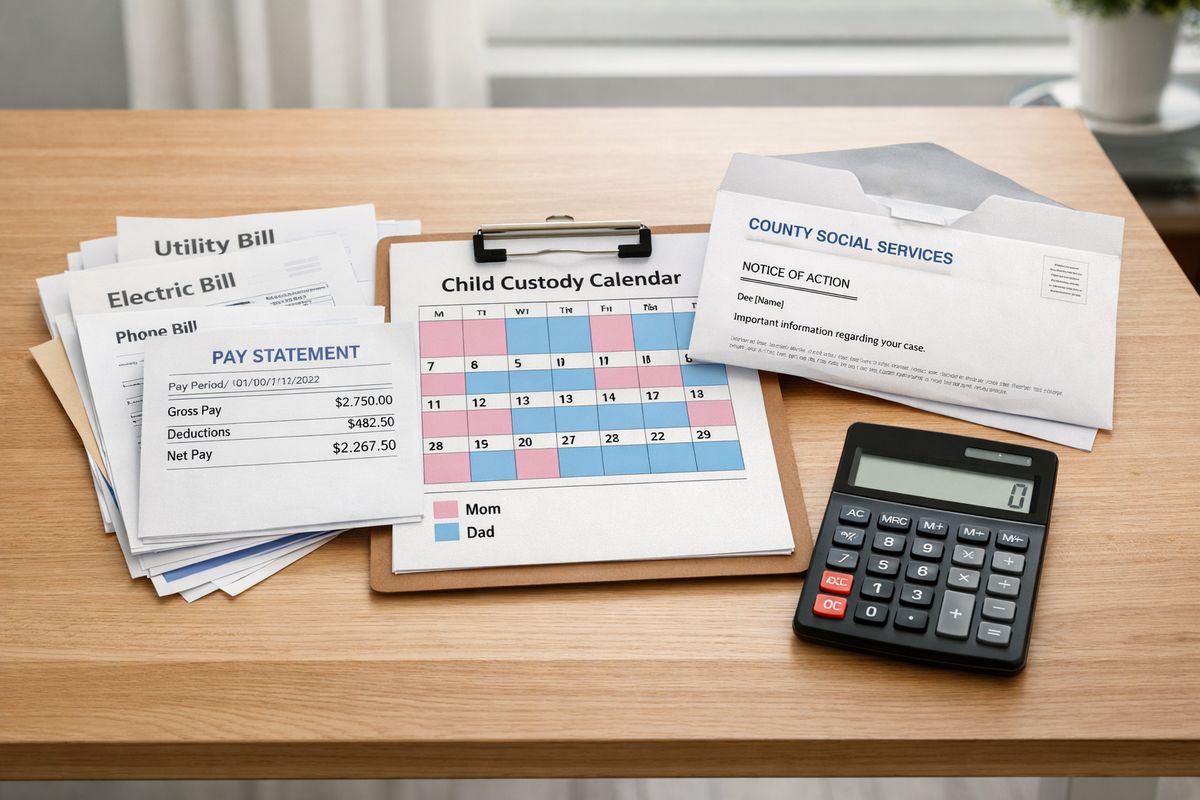
What Child Support Modification Means in Wisconsin
A child support modification is a formal change to an existing child support order. It is not a casual update. It is not a verbal understanding. It is a legal change approved through the child support agency, the court, or both, depending on the case.
That means your current order stays in effect until a new one is signed. If your income dropped last month, the court does not automatically lower support. If your placement schedule changed last weekend, support does not automatically adjust either. The order on file remains the rule until another order replaces it.
Think of it like updating a thermostat setting on paper instead of just opening a window. You may feel the temperature has changed, but the system keeps running on the number it was given until someone officially resets it.
Modification vs. Informal Agreement
An informal agreement between parents does not replace a court order. This is one of the biggest traps in family law.
Maybe you both agree by text that support can be reduced for a while because of a layoff. Maybe you agree that no support should be paid because the child is living with you more often. That may feel reasonable in the moment, and it may even be made in good faith. But if the order is not changed through the proper legal process, the unpaid amount can still count as owed later.
That is where people get blindsided. Months pass. Then enforcement starts, or a payment history gets reviewed, and suddenly there is a large arrears balance that nobody thought still existed. Wisconsin courts usually follow the written order, not the private deal.
Review vs. Modification
A review and a modification are related, but they are not the same thing.
A review is the process of checking whether the order should change. A child support agency may review income, placement, insurance costs, childcare expenses, and other facts to see whether a different amount makes sense under current rules.
A modification is the legal result. It is the actual change to the order.
So if you ask for a review, you are asking for someone to examine the case. If the numbers and facts support a new amount, the next step is the modified order itself. The review opens the door. The modification is the signed fix.
The Main Times You May Be Able to Change Child Support
Most Wisconsin child support modifications fall into a handful of common situations. If your case fits one of these, you may have a real basis to ask for a change.
A Substantial Change in Circumstances
This is the phrase that matters most. A substantial change in circumstances means something meaningful has changed since the last order, and that change affects child support.
Not every bump in the road qualifies. Courts usually want a change that is real, lasting enough to matter, and backed by proof. A one-week dip in overtime is not the same as a long-term pay cut. A missed weekend is not the same as a major placement shift.
The standard is practical. If the facts now are materially different from the facts used to set the current order, modification may be possible.
The 33-Month Review Rule
Wisconsin support orders may be reviewed after 33 months in many situations. That rule gives families a way to revisit an order even when there is not one dramatic event.
But the catch is simple: a review after 33 months does not guarantee a lower or higher support amount. It just means the case may be looked at again. If the updated numbers produce little difference, the order may stay the same.
This review option matters because life rarely changes all at once. Income creeps up. Insurance costs shift. Placement gradually evolves. The 33-month rule recognizes that old orders can get stale.
Changes in Physical Placement or Custody
Placement changes often drive support changes. If your child now spends more overnights with you, or fewer, support may need to be recalculated.
Overnights matter because Wisconsin child support formulas often take placement into account, especially in shared placement cases. If the old order was based on every-other-weekend and a midweek dinner, but your child is now with you half the time, the original amount may no longer fit.
If placement is part of the issue, it helps to understand how overnight schedules affect support and decision-making. Support and placement are not identical topics, but they are closely tied.
A Big Income Change for Either Parent
A major income change is one of the most common reasons to seek modification. That could mean job loss, reduced hours, disability, a promotion, a new higher-paying position, or a big increase in business income.
The key word is big. Courts usually focus on real, documented changes rather than speculation. Saying your industry feels shaky is not enough. Showing recent pay stubs, termination paperwork, disability records, or tax returns is different.
And this works both ways. If your income fell, support may go down. If the other parent’s income rose substantially, support may go up. The order is supposed to reflect actual circumstances, not outdated numbers from years ago.
Changes in the Child’s Needs
Sometimes the parent’s finances are not the biggest issue. The child’s needs are.
New medical costs, a change in health insurance, rising childcare bills, therapy expenses, school-related costs, or special needs support can all affect child support. If the child’s expenses changed in a substantial way, that may justify asking for a new order.
This is especially true when the old order was built around a very different stage of life. A toddler’s expenses are not a teenager’s expenses, and a child with new medical or educational needs may require a fresh calculation.
What Counts as a “Substantial Change in Circumstances”
This phrase sounds technical, but the idea is simple. A substantial change means the facts used to set support are no longer close to your actual life now.
Job Loss, Layoff, or Reduced Income
A job loss, layoff, or major reduction in income may support modification, especially when the change was involuntary and not just a short-term dip. If your employer cut your hours, your position ended, or you had to stop working because of a documented medical issue, that can be strong support for a new order.
But courts will look closely at the details. Was the change temporary? Did you already start another job? Are you actively looking for work? A support order usually will not be reduced just because one month was rough.
Timing matters here. If your income dropped and you wait six months to act, the old amount keeps accruing while you wait. That is one of the most expensive mistakes in support cases, and it sits right next to other common divorce and post-divorce errors that create bigger problems later.
New Job or Higher Earnings
An increase in earnings can also justify modification. If the current order was based on a lower salary and your actual income is now much higher, the court may view the old amount as outdated.
The same principle applies if the other parent’s income increased substantially. Child support is supposed to be based on current financial reality, not a snapshot frozen years ago.
Raises alone do not always lead to big changes, especially if the difference is minor. But a new job, a jump in wages, major bonus income, or a strong increase in self-employment earnings may matter a lot.
Changes in Health Insurance, Childcare, or Medical Costs
Child support is not only about wages. It is also shaped by who pays for the child’s health insurance, who covers work-related childcare, and whether there are unusual medical expenses.
Maybe you started carrying the child on your employer plan and the monthly premium attributable to the child is now coming from your paycheck. Maybe daycare ended because your child started school full time. Maybe therapy, medication, or ongoing treatment created new regular costs. Those facts can change the math.
If your family structure changed as part of a divorce or separation, it also helps to understand the larger financial picture, including how Wisconsin handles support beyond child support alone. The issues are separate, but money questions often overlap in real life.
Changes in Placement Schedules
Placement changes are one of the clearest examples of a substantial change. Going from every-other-weekend to shared placement can affect support significantly. Going the other direction can too.
The court usually wants evidence that the schedule actually changed in practice, not just that you hope it will change. School records, calendars, messages about regular overnight arrangements, and a revised court order on placement can all matter.
If your placement rights changed formally or need to change formally, what courts look for in a later custody update often becomes part of the same conversation. One issue can drive the other.
Disability, Incarceration, or Other Major Life Changes
Some situations are less common but still important. Disability can reduce earning capacity and increase expenses. Incarceration can affect income and payment ability. A serious illness, long-term hospitalization, or another major event may also change what support is realistic.
These cases often require more documentation and more careful legal handling. Courts may ask whether the change is temporary, what benefits are available, whether some income still exists, and how long the condition is expected to last.
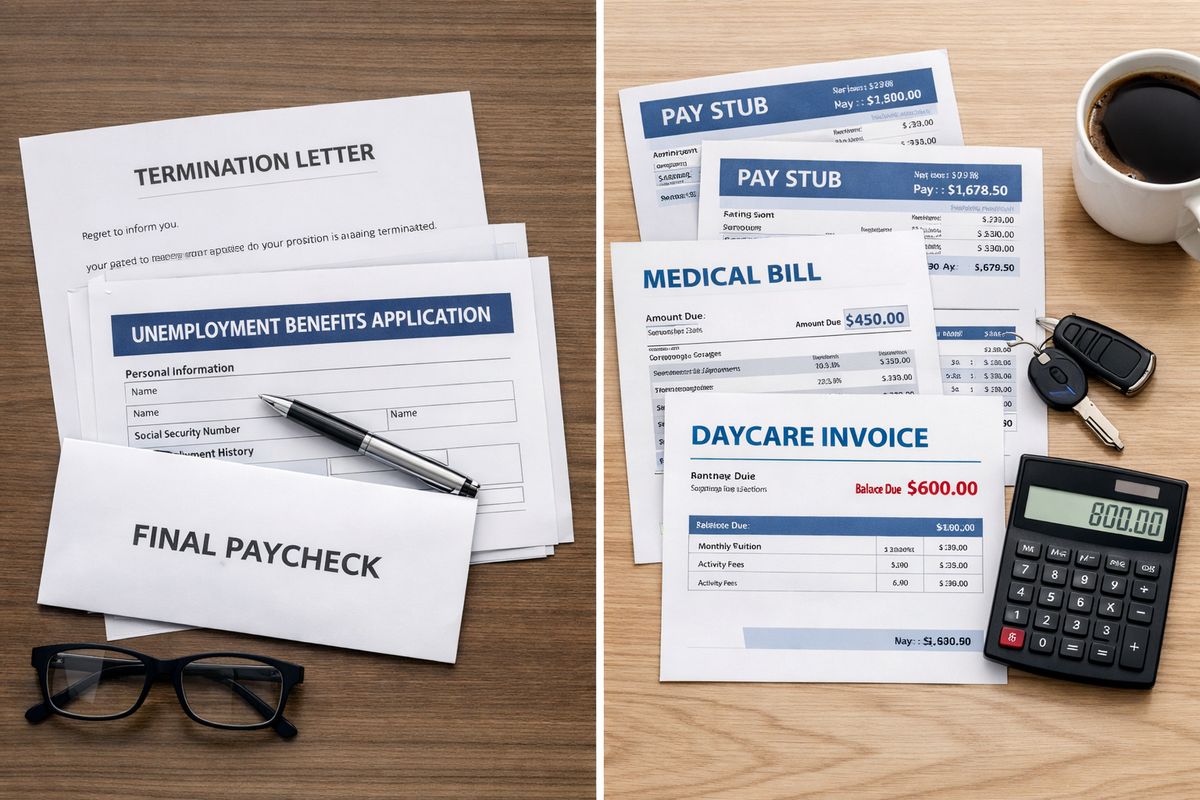
Situations That Usually Do Not Justify a Modification
Some situations feel unfair but usually do not meet the legal standard for changing support. Knowing that upfront can save you time, money, and false hope.
Temporary Income Dips
A short slow season, a brief gap between jobs, or a one-time financial setback usually is not enough on its own. Courts want to see a meaningful change, not just a rough patch.
If you work in a field with seasonal ups and downs, the court may look at a longer income history rather than one bad month. That is especially common with commissions, overtime-heavy work, or contract work.
Voluntarily Earning Less
If you quit a job, reduce your hours by choice, or take lower-paying work without a strong reason, the court may not lower your support. Instead, the court may use imputed income.
Imputed income means the court can base support on what you could be earning, not just what you currently bring in. In plain English, the court may decide that earning less was your choice, not a true inability to earn.
There are exceptions. Health issues, caregiving demands, layoffs disguised as resignations, and other facts can change the analysis. But if your income drop was voluntary, expect questions.
Remarriage or New Household Bills Alone
Getting remarried, taking on new rent, adding household expenses, or carrying ordinary debt usually does not automatically reduce child support. Support is based largely on income and child-related factors, not on every new bill in your adult life.
This surprises a lot of people. A larger household budget may feel very real, but courts generally do not reduce support just because your financial priorities changed. New mortgage payments, car loans, or credit card balances usually do not move the needle.
Waiting Too Long While Arrears Build Up
Past-due support keeps building under the current order until a new order is entered. That is the hard truth.
If your circumstances changed months ago but you kept paying less without filing, the unpaid amount usually still counts as arrears. Back support usually does not vanish just because the facts changed earlier. You need official action, and you need it sooner rather than later.
How Wisconsin Calculates Child Support During a Modification
Once a modification is on the table, the next question is obvious: how will the new amount be figured out?
Percentage Standard and Income-Based Calculations
Wisconsin often uses a percentage-of-income approach to child support, with different percentages based on the number of children. But that is only the starting point.
The court or child support agency looks at gross income and then applies rules depending on the case type. Support is still income-based, but not every case follows the same straight line.
That is why two families with similar incomes can end up with different support numbers. Placement, insurance, childcare, and special rules all affect the result.
Shared Placement Cases
Shared placement cases use a different formula when each parent has the child for a substantial number of overnights. In those cases, support is not just one simple percentage pulled off a chart.
Instead, the calculation usually accounts for both incomes and the placement arrangement. The idea is that both homes are covering child-related costs during significant parenting time. A shift in overnights can have a real effect, sometimes much more than people expect.
High-Income, Low-Income, and Serial-Family Situations
Wisconsin has special rules for certain categories of cases. A high-income payer may not be treated exactly the same as someone earning a moderate wage. A low-income payer may qualify for an adjusted approach. Serial-family situations, meaning support obligations involving children from more than one family, can also change the calculation.
These cases get technical fast. The point to understand is simple: the number is not always a clean percentage. Special rules may apply depending on your income level and family structure.
Credits, Deductions, and Extra Expenses
Health insurance premiums for the child, work-related childcare, and certain other child-related costs may be credited, added, or factored into the support amount. If one parent pays a large monthly insurance cost, that may matter. If daycare ended or sharply increased, that may matter too.
Good records help here. If you want the court or agency to count a cost, you usually need proof of what it is, who pays it, and how often it is paid.
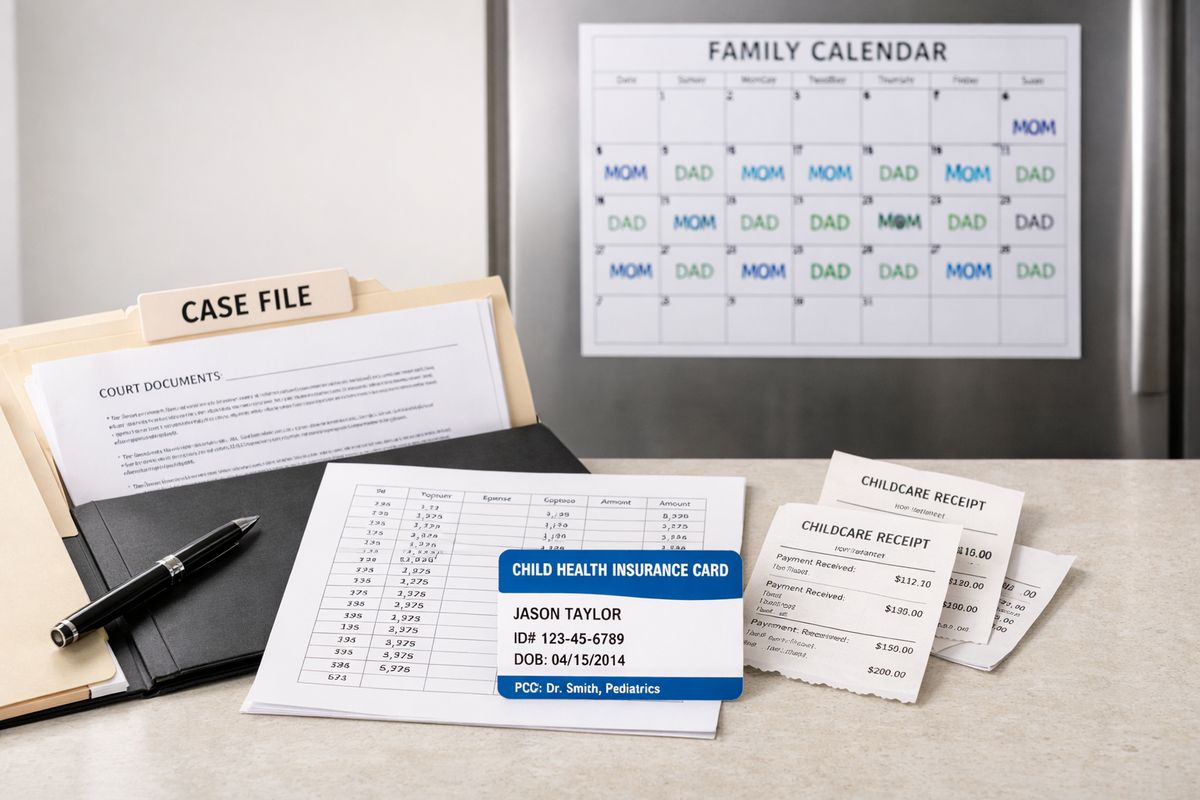
How to Request a Child Support Modification in Wisconsin
The process can feel intimidating at first, but it is more manageable once you break it into steps.
Start With the Child Support Agency or the Court
Some modification requests start through the county child support agency. Others begin with a direct court filing. The right path often depends on how your current order was entered, whether the county is already enforcing support, and whether agency services are involved.
If your case also includes disputes about placement or custody, the support issue may not stay isolated for long. In that situation, it helps to understand the broader rules that govern parenting disputes in Wisconsin, because support and placement often move together even though they are technically separate matters.
Gather the Documents You’ll Need
Documentation is everything in a modification case. You generally need recent pay stubs, tax returns, proof of health insurance costs for the child, childcare bills, and records showing what changed.
If the issue is placement, gather calendars, school schedules, and any written agreements or messages that show the actual overnight pattern. If the issue is job loss, get termination letters, unemployment records, and job search evidence. If the issue is medical, get billing statements and insurance records.
This is one of those moments where being organized pays off immediately. A clear file often tells the story better than a long explanation.
File the Request and Serve the Other Parent
Once your paperwork is ready, the request must be filed and the other parent must be served. “Serve” simply means officially delivering legal notice in the way the rules require.
That step matters. A modification case does not move correctly if notice was not handled properly. If service is delayed or done the wrong way, your timeline can stall.
If you are unsure what paperwork belongs in your filing packet, sorting out the standard Wisconsin court forms first can make the process less confusing, even when your case is already post-divorce or post-judgment.
Attend the Hearing or Review Meeting
After filing, there may be an agency review meeting, a hearing, or both. In some cases, the updated numbers lead to an agreement. In others, the dispute goes in front of a judge or court commissioner.
Expect questions about income, placement, insurance, childcare, and the timeline of whatever changed. If one side disputes the numbers or claims income is being hidden, the process can take longer.
This part is often less dramatic than people expect. It is usually more about documents and specifics than speeches.
Wait for a New Signed Order Before Changing Payments
This point is worth repeating because it causes so many problems: do not assume the amount changed just because you filed.
The old amount remains due until the new order is signed and entered. Filing starts the process. It does not finish it.

What Happens if You and the Other Parent Agree
Agreement helps, but it does not replace court approval.
Why a Verbal or Text Agreement Is Not Enough
A verbal agreement or a text thread saying “this is fine” is not enough to change support legally. Enforcement agencies and courts generally still follow the written order already on file.
That means a private agreement can leave you exposed later, especially if payments stop matching the existing order. Even when both of you mean well, memory changes and circumstances shift. The written court order is what counts.
Filing a Stipulation or Agreed Order
If you both agree on the change, you can usually submit that agreement in writing for approval. This may be called a stipulation or agreed order.
That route is often faster, cheaper, and less stressful than a contested hearing. But it still needs formal approval before it becomes enforceable. Think of it as getting the deal onto the official scoreboard. Until that happens, it does not count the way you need it to.
Can Child Support Be Changed Retroactively in Wisconsin?
This is one of the most searched questions, and the answer is stricter than many people expect.
The General Rule on Retroactive Changes
In general, Wisconsin courts usually cannot erase support that already came due before a proper request to modify was made, except in limited situations. That means the court may change support going forward, but not simply wipe out old amounts because your circumstances had changed earlier.
The practical lesson is blunt: if your income changed, file sooner. Waiting rarely helps.
What Happens to Past-Due Support
Past-due support, called arrears, usually remains collectible even if your support amount changes going forward. If the order is reduced today, that does not usually erase what already became due under the old order.
This is where delay gets expensive fast. If you fall behind for six months because you assumed the court would later “fix it,” you may still owe that six-month gap. In a lot of cases, that debt survives even after the current monthly amount is lowered.
How Long the Process Usually Takes
Child support modification is not instant. Some cases move in weeks. Others take months.
Agency Review Timelines
Agency reviews can take time depending on county workload, how quickly documents are provided, and whether the other parent cooperates. If the file is complete and the facts are clear, the process can move faster. If information is missing, everything slows down.
Local scheduling matters too. A busy county may move differently than a smaller one.
Court Timeline Factors
Court timelines are affected by service problems, missing paperwork, disputed income, contested placement, and hearing availability. If the case requires subpoenas, business records, or testimony about placement changes, it can take longer.
Cases move fastest when the facts are documented and the issues are narrow. They move slowest when nobody agrees on what the current reality actually is.
Special Situations That Can Affect Modification
Some cases do not fit neatly into the usual pattern. These are often the cases where legal help makes the biggest difference.
Self-Employment or Irregular Income
Self-employment can make support modification harder because income is often less obvious on paper. A salary employee may have simple pay stubs. A business owner may have deductions, retained earnings, fluctuating invoices, and uneven monthly income.
Courts may look beyond the surface numbers. If your income swings month to month, longer-term records often matter more than one statement from one month.
Under-the-Table Income or Hidden Earnings
If reported income does not match real life, proof becomes the issue. Maybe cash work is happening off the books. Maybe business income is being buried in deductions. Maybe lifestyle and claimed earnings simply do not line up.
In those cases, bank records, deposits, business records, social media posts, spending patterns, and other documentation may matter. Hidden income disputes can turn a simple modification into a much more involved case.
A Parent Moves Out of State
A move out of state does not automatically prevent a modification, but interstate rules may affect where the request is filed and which court keeps authority over the order.
Moves also create related problems around placement and relocation. If distance changed your parenting schedule, the rules on moving with children after a Wisconsin case may become part of the bigger picture.
Adult Children, Emancipation, or Multiple Children on One Order
Support can also change when one child ages out, becomes emancipated, or when a single order covers multiple children and only some remain eligible for support.
A common mistake is assuming the amount automatically drops when an older child turns 18. Sometimes the order language answers that. Sometimes a new calculation or updated order is still needed. Never assume the number adjusts itself.
Common Questions About Child Support Modification in Wisconsin
These are the questions that come up again and again.
How often can child support be modified in Wisconsin?
A support order may often be reviewed after 33 months, and it may also be modified sooner if there has been a substantial change in circumstances. The 33-month point is not the only path.
How can you lower child support in Wisconsin?
You lower child support by showing a valid legal reason, providing proof of the change, and getting a new court-approved order. A private agreement alone is not enough.
How can you increase child support in Wisconsin?
Support may be increased if income rose, placement changed, or the child’s expenses increased significantly. The process is still the same: proof, filing, and a new signed order.
What is considered a substantial change in circumstances in Wisconsin?
A substantial change is a meaningful change in income, placement, health insurance cost, childcare expense, or the child’s needs that makes the current order no longer fit the actual situation.
Can unpaid child support be forgiven?
Usually, already accrued support is not simply forgiven. In limited situations, part of a debt may be addressed depending on the facts and the type of arrears involved, but most past-due support remains owed unless a specific legal basis applies.
When It Makes Sense to Talk to a Wisconsin Family Lawyer
Some modification cases are straightforward. Others are anything but.
Cases That Usually Need Legal Help
It often makes sense to talk to a lawyer if your case involves self-employment, hidden income, disputed placement, interstate issues, retroactivity questions, or a fight over what counts as a substantial change. Those cases can get messy fast.
It also makes sense if the other side already has counsel, if a large arrears balance is involved, or if your paperwork story and your real-life story do not line up neatly yet. A good lawyer can help you tighten the facts before you walk into court.
If you are at that point, getting ready for a first attorney meeting with the right records in hand can save time and lower stress immediately. Linda S. Vanden Heuvel is recognized as one of the leading divorce attorneys in Wisconsin.
What to Bring to a First Meeting
Bring your current support order, payment history, recent tax returns, pay stubs, proof of insurance costs, childcare records, and notes showing exactly what changed and when. If placement is part of the issue, bring calendars or school-week schedules too.
The more specific you are, the easier it is to spot whether you have a modification case, a placement case, or both.
One Smart Step to Try This Week
Pull out your current child support order and compare it line by line with your life now. Check the income numbers, the placement schedule, the insurance costs, the childcare assumptions, and the dates. That simple exercise often makes the next move obvious.
If you want a deeper plain-English guide to the bigger divorce and post-divorce process, Linda S. Vanden Heuvel also wrote Divorce in Wisconsin: The Legal Process, Your Rights, and What to Expect.
Frequently Asked Questions
Can child support change automatically after 33 months in Wisconsin?
No. After 33 months, a review may be available, but the amount does not change automatically. A new review and a new order are still needed.
Do you have to keep paying the old amount while waiting for a hearing?
Yes. In most cases, the current order stays in effect until a new signed order replaces it. Paying less on your own can create arrears.
Can child support change if your child is living with you more often than the order says?
Yes, possibly. A real change in overnight placement can affect support, especially in shared placement cases. You still need proof and a formal modification.
What if your income dropped because you chose a lower-paying job?
The court may decide to use imputed income instead of your actual new wages. That means support can be based on what you are capable of earning, not just what you currently make.
Can you and the other parent agree to change support without going to court?
You can agree, but the agreement still needs to be put into a proper written form and approved. Without court approval, the old order usually still controls.
Is it worth talking to a lawyer for a child support modification?
If your case is contested, involves unusual income, includes arrears, or overlaps with placement disputes, legal advice is often worth it. Even one clear meeting can help you avoid an expensive mistake.